Identify Which Features Are Commonly Associated With Anorexia Nervosa.
A disease characterized by refusal to maintain a minimally normal body weight intense fear of gaining weight body image distortion and amenorrhea. Persons with anorexia nervosa may also be socially withdrawn irritable moody andor depressed.

Treating Patients With Anorexia Nervosa Dimensions Of Dental Hygiene
Be wary about obsessing yourself into losing weight for you might be experiencing anorexia nervosa.

. Aggressive weight-loss techniques laxatives diuretics vomiting. Restriction of energy intake. Anorexia Nervosa is an eating disorder manifested when a person refuses to eat an adequate amount of food or is unable to maintain the minimal weight for a persons body mass index.
Mood swings and social withdrawal are other. Heres a look at whats commonly involved in treating people with anorexia. Perfectionism having another mental health conditions particularly depression.
Features of body dysmorphia. To review the literature on delirium and refeeding syndrome in patients with anorexia nervosa AN and present case examples in an attempt to identify common clinical features and response to therapy. Research has shown that a significant subset of people with eating disorders including two-thirds of those with anorexia showed signs of an anxiety disorder including generalized anxiety social phobia and obsessive-compulsive disorder before the.
PWS is the genetic syndrome most commonly associated with. OCPD-Substance abuse mainly for binge-purge type-Kleptomania binge-purge type. Patients commonly show symptoms of depression along with obsessive-compulsive personality traits.
Anorexia associated with-mood disorders-anxiety disorder. The characteristic features of AN include severe weight loss and secondary problems. Not recognizing the seriousness of the low body weight and restrictive eating are prominent features of anorexia nervosa.
An-ἀν- prefix denoting negation and orexis ὄρεξις appetite translating literally to a loss of appetite. Anorexia nervosa AN is associated with neuropsychological characteristics such as impairments in central coherence cognitive flexibility and emotion recognition. Persistent behavior interfering with weight gain despite low weight such as fasting or excessive exercise.
Ongoing therapy and nutrition education are highly important to continued recovery. Losing weight can start to feel like a sense of. Anorexia is an eating disorder where you feel a need to keep your weight as low as possible.
There are two types of the. Binge-eatingpurging type- The person has had ongoing episodes of binge eating eating more than normal in one sitting or purging behaviors vomiting or the misuse of laxatives diuretics or enemas to cleanse the body of food eaten. The key features of anorexia nervosa and bulimia nervosa.
Intense fear of weight gain. The adjective nervosa. Anorexia nervosa commonly called anorexia is a serious eating disorder in which a person adopts unhealthy and extreme methods to lose weight or avoid gaining weight.
Heart problems including low blood pressure a slower heart rate irregular heartbeat heart attack and sudden death from heart problems 6. Most eating disorders start during puberty or teenage years when peer pressure. Treatment for anorexia is generally done using a team approach which includes doctors mental health professionals and dietitians all with experience in eating disorders.
People with anorexia often have common traits including. Anorexia is a term of Greek origin. Anorexia nervosa AN is a disorder that predominantly affects women in early adolescence 1.
Patients resist evaluation and treatment. Low self-esteem feeling worthless or like youre not good enough. Anemia when your red blood cells do not carry enough oxygen to your body and other blood problems.
This activity reviews the evaluation and management of. Excessive eating occurs in a discrete period usually. Patients with this eating disorder will have a fear of gaining weight along and a distorted body image with the inability to comprehend the seriousness of their condition.
In addition to the cases identified in the literature we present two additional cases of our own. You see an overweight reflection in the mirror even if youre not overweight. This eating disorder usually starts subtly.
The amount of food eaten is larger than most individuals would eat under similar circumstances. People with anorexia nervosa commonly have an unhealthy focus on food weight or body shape. They have an intense fear of gaining weight even though they are significantly underweight.
Anorexia nervosa manifestations include low body weight and fear of weight gain as well as the results of low body weight and malnutrition. Anorexia nervosa is defined by the restriction of nutrient intake relative to requirements which leads to significantly low body weight. Anorexia nervosa is a condition where you excessively fear weight gain.
Anorexia nervosa is a psychiatric disorder characterized by excessive dieting some compensatory behaviors excessive exercise vomiting and use of laxatives and specific psychopathological symptoms disturbances in the perception of body weight andor image and fear of becoming fat that leads to severe and maintained weight. The symptoms of anorexia nervosa may resemble other medical problems or psychiatric conditions. Disturbed experience of ones body weight or shape influenced by self-evaluation or persistent lack of recognizing the seriousness of current low body weight.
Over time anorexia can affect your body in the following ways. They are usually brought to the physicians attention by family members or by intercurrent illness. When a person with anorexia nervosa restricts their eating it is not a lifestyle choice.
Always consult your physician for a. Anorexia nervosa often referred to simply as anorexia is an eating disorder characterized by low weight food restriction body image disturbance fear of gaining weight and an overpowering desire to be thin. The objectives of the review.
An episode of eating marked by the following features. Intense fear of weight gain or becoming fat. A comprehensive literature review was completed.
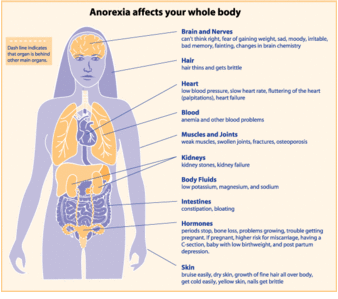
Anorexia Nervosa Physiopedia
The Key Features Of Anorexia Nervosa And Bulimia Nervosa Download Table

The Key Features Of Anorexia Nervosa And Bulimia Nervosa Download Table
Comments
Post a Comment